Florida Pool Barrier Requirements for Alachua County Homeowners
September 28, 2026
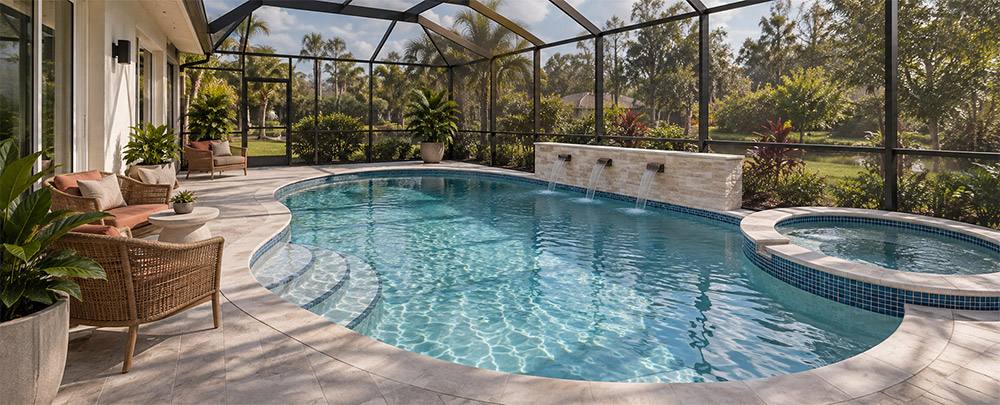
A pool gate should do its job on the ordinary afternoons when someone carries groceries through the yard, a child follows a pet outside, or a visitor forgets to pull the door shut. The hardware, layout and daily habits all matter.
For Gainesville and Alachua County homeowners, Florida pool barrier requirements are a useful starting point. The next step is understanding which requirements apply to your particular property and keeping its protections working.
This is general educational information, not a property inspection or legal determination. Confirm the applicable code, permit requirements and proposed changes with the building authority responsible for your address.
Start with the pool and its records
Florida's Residential Swimming Pool Safety Act distinguishes residential pools from public pools and separately defines portable spas. Its pool definition includes residential recreational water structures more than 24 inches deep, including aboveground pools, hot tubs and nonportable spas. A backyard pool and an association pool should not automatically be evaluated using the same checklist. Florida Statutes 515.25.
Before purchasing a fence, cover or alarm, gather the property address, original permit information if available, pool or spa type, enclosure layout and product details. If you have changed a door, gate or section of fencing, include that information too.
An existing pool's age does not answer every question about current conditions or proposed work. Ask the permit authority what applies to the actual property rather than relying on a neighbor's arrangement or a product advertisement.
Understand the five statutory options
Florida Statutes 515.27 lists five alternative safety features for residential pool final inspection and completion:
1. An enclosure that isolates the pool from home access and satisfies the barrier requirements.
2. An approved safety pool cover.
3. Qualifying exit alarms on every door and window providing direct access from the home.
4. Qualifying self-closing and self-latching devices on every direct-access door.
5. A qualifying alarm that detects entry into the pool water.
The exit-alarm option specifies at least 85 dBA at 10 feet. The door-device option places the release at least 54 inches above the floor. The in-pool alarm must be independently certified to ASTM F2208; a wearable alarm does not satisfy that option. Florida Statutes 515.27.
These alternatives are not interchangeable pieces to combine casually. Ask the building authority to review the complete arrangement, including the applicable building code and permit conditions. Several layers of protection may be worthwhile even when one statutory option applies.
Know what the barrier and gate must do
Under section 515.29, the barrier must be at least four feet high on the outside, prevent a young child from getting under, through or over it, and surround the pool perimeter. It must provide separation from the water and avoid nearby structures or equipment that create climbing access.
Pool-access gates must open away from the water, close themselves and have a self-latching locking device. The release belongs on the pool side, positioned beyond a young child's reach over or through the gate. A dwelling wall used as the isolating barrier cannot have a door or window opening directly to the pool. Florida Statutes 515.29.
During your own routine checks, look for a gate that drags, stops short or needs a push to latch. Remove an obstruction rather than leaving the gate propped open. Report damaged hardware and arrange appropriate correction promptly. A visual check helps identify a concern; it does not certify the installation.
Check covers and screen enclosures carefully
A cover's purpose matters. Florida defines an approved safety pool cover as a manually or power-operated cover meeting ASTM F1346-91 performance standards. Covering the surface with a solar blanket does not, by itself, establish that it meets this definition. Florida Statutes 515.25.
Ask for the exact product's documentation, installation requirements and maintenance instructions. Keep that information with your pool records. Follow the manufacturer's directions for closing, securing and storing the cover, and arrange help when it no longer operates correctly.
Likewise, do not assume a screen enclosure settles the barrier question. Have the applicable authority review its layout, access points and approved details. Replacing door hardware with something more convenient can affect the way the original protection works.
Make safety part of the household routine
Barriers help restrict access; supervision is still essential when children are near water. The Consumer Product Safety Commission's Pool Safely guidance recommends a designated adult water watcher, swimming instruction, maintained barriers and alarms, and current CPR knowledge. The watcher should be focused on the children rather than a phone or another task. Pool Safely safety tips.
Include visitors, caregivers and anyone who needs yard access in the conversation. Explain which gate to use and how to leave it secured. Decide who takes over supervision before the current watcher steps away. Those everyday handoffs deserve the same attention as the equipment you purchase.
Keep community pool questions separate
Florida's public-pool framework addresses facility permitting, sanitation and safety through the Department of Health. Confirm the facility's classification and applicable requirements before treating this residential article as a community-pool checklist. Florida DOH public swimming pools.
Boards and managers can use our HOA pool service checklist to organize the maintenance proposal and the questions to resolve with their management team.
How routine pool care fits
Lasting Summers establishes a Pool Baseline before recurring care and keeps a Pool Passport service history. An obvious concern encountered during the agreed work can be documented and brought to your attention. Routine pool maintenance does not include barrier design, construction, permit approval or a code inspection.
Our weekly pool care plans explain the maintenance included at each level. Our service report guide shows how readings, completed work and follow-up notes are communicated.
If you are arranging pool service in Gainesville, tell us about gate access and any work already planned around the pool. We can confirm the route and recommend a maintenance scope that fits your property.
Request a pool service quote or call 352-231-8766.
